
Marty McCormack
Ireland's Astrophotography GOAT
Supernova Hunter
Most astrophotographers in Ireland are quite content when they get just enough data to create a reasonable rendition of a cosmic object releasing and sending its light to our camera sensors, but we always leave lots “on the table”, if you’ll pardon the metaphor here.
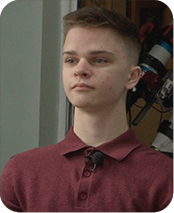
Marty is quite rightly classed as one of Ireland’s greatest astrophotographers, and for someone that hadn’t the first clue about photography a mere ten years ago, he has not only made good on his goal of dedicating himself to capturing the cosmos from the ground through Ireland’s weather and atmosphere, he’s absolutely conquered it. Today he has won numerous awards for his images of the cosmos, and creates stunningly detailed and vast mosaics that have taken him several years to create.
"It's incredble to think that all these objects are just above our heads and we can capture them, all you need is a little equipment, some time and patience!"
Marty McCormack
For years Marty was a visual astronomer before he got more than frustrated with the lack of dark skies and inability to see objects, so he turned to astrophotography and never looked back.
To really, truly, bring out the details and the full density of what’s out there in the cosmos, you need to be dedicated, and this means instead of 2, 3, 6 or 10 hours, 20 hours even, you need 100’s of hours to resolve images of the cosmos, like this:
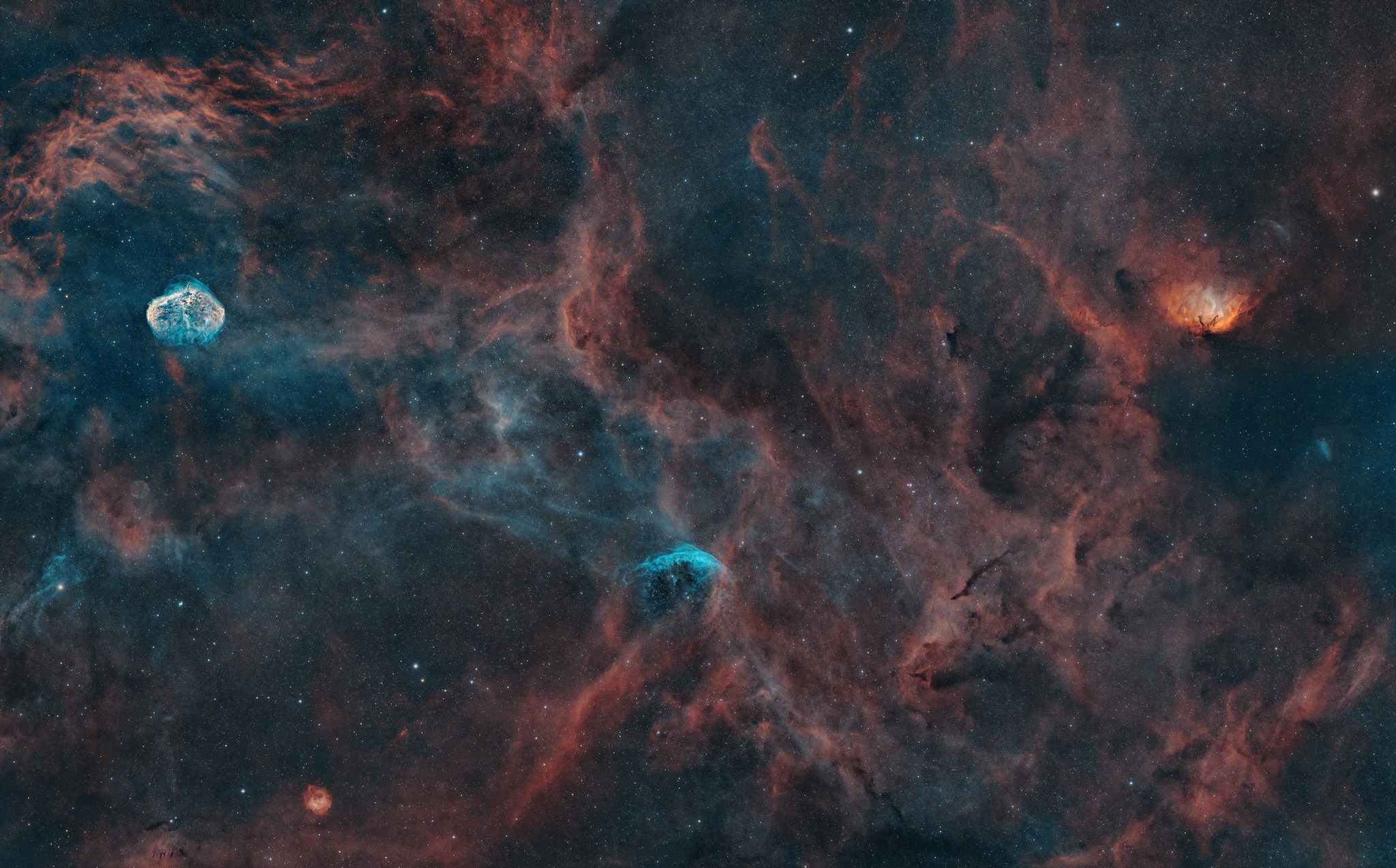
The Jewels of Cygnus A huge mosaic containing NGC 6888: the Crescent Nebula, Sh2-101 The Tulip Nebula, WR-134 a Wolf-Rayet star, the Soap Bubble and the Revenant fo the Swan
© Martin McCormack 2025 All Rights Reserved
Marty is not only a seriously dedicated imager of the cosmos, he is a huge advocate of sharing knowledge and promoting the pursuit of astronomy for the amateur community.
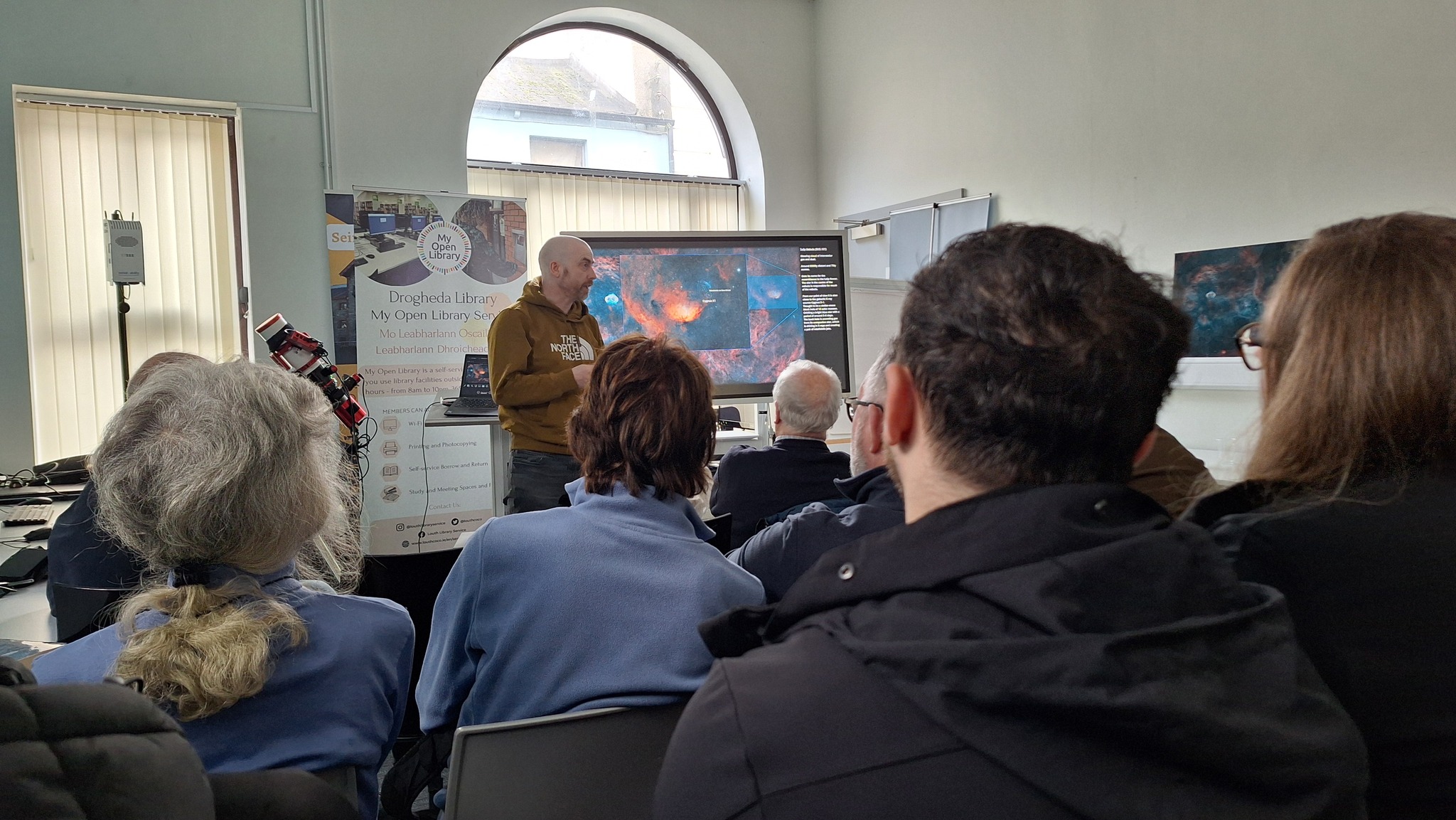
Here Marty is deeply engaged in sharing a presentation of the cosmos and what is in his imagery with a group of amateur astronomers in Drogheda Library.
Image Credit: Seán Ó Cearrúlláin 2025 - All Rights Reserved
Where Stars Are Bornin Flame and Light
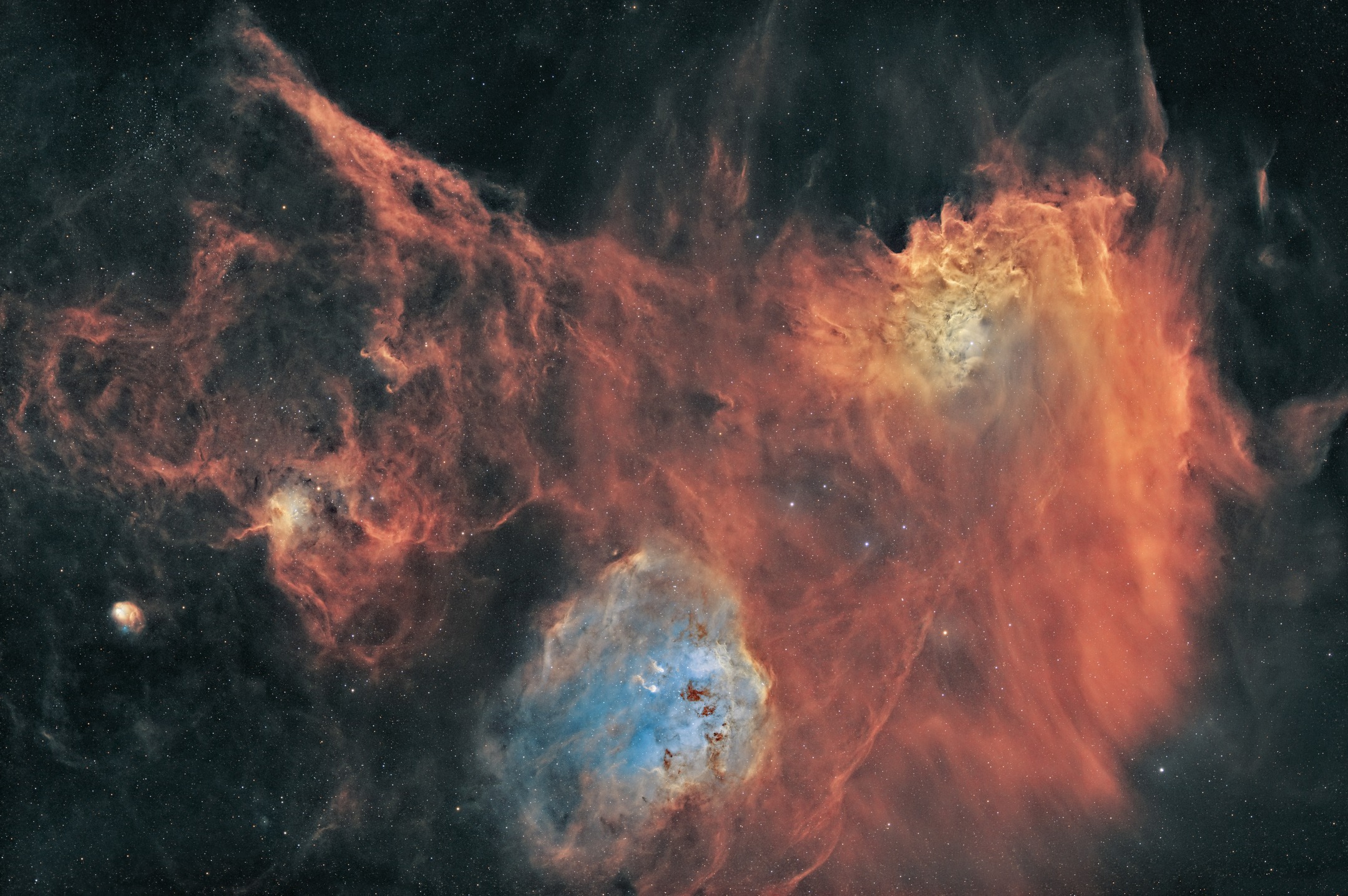
A Huge Image containing multiple Nebulae The Flaming Star Nebula (IC405), The Tadpole Nebula (IC410) and the SPider and & Fly Nebula (IC 417 & NGC 1931),
© Martin McCormack 2025 All Rights Reserved
This image captures vast star-forming regions in our galaxy, where immense clouds of gas and dust are sculpted by radiation from young, massive stars.
The glowing reds and oranges trace hydrogen gas energized by intense ultraviolet light, with cooler denser pockets appear as darker shadows. These contrasting colors reveal different physical conditions—hot, ionized regions alongside colder molecular clouds where new stars are still forming.
The delicate, wispy filaments show how stellar winds and radiation carve the nebula into arches, pillars, and flowing sheets, giving it an almost flame-like or ethereal appearance. Bright knots embedded within the clouds mark areas of especially active star birth, where gravity is pulling material together to ignite future suns.
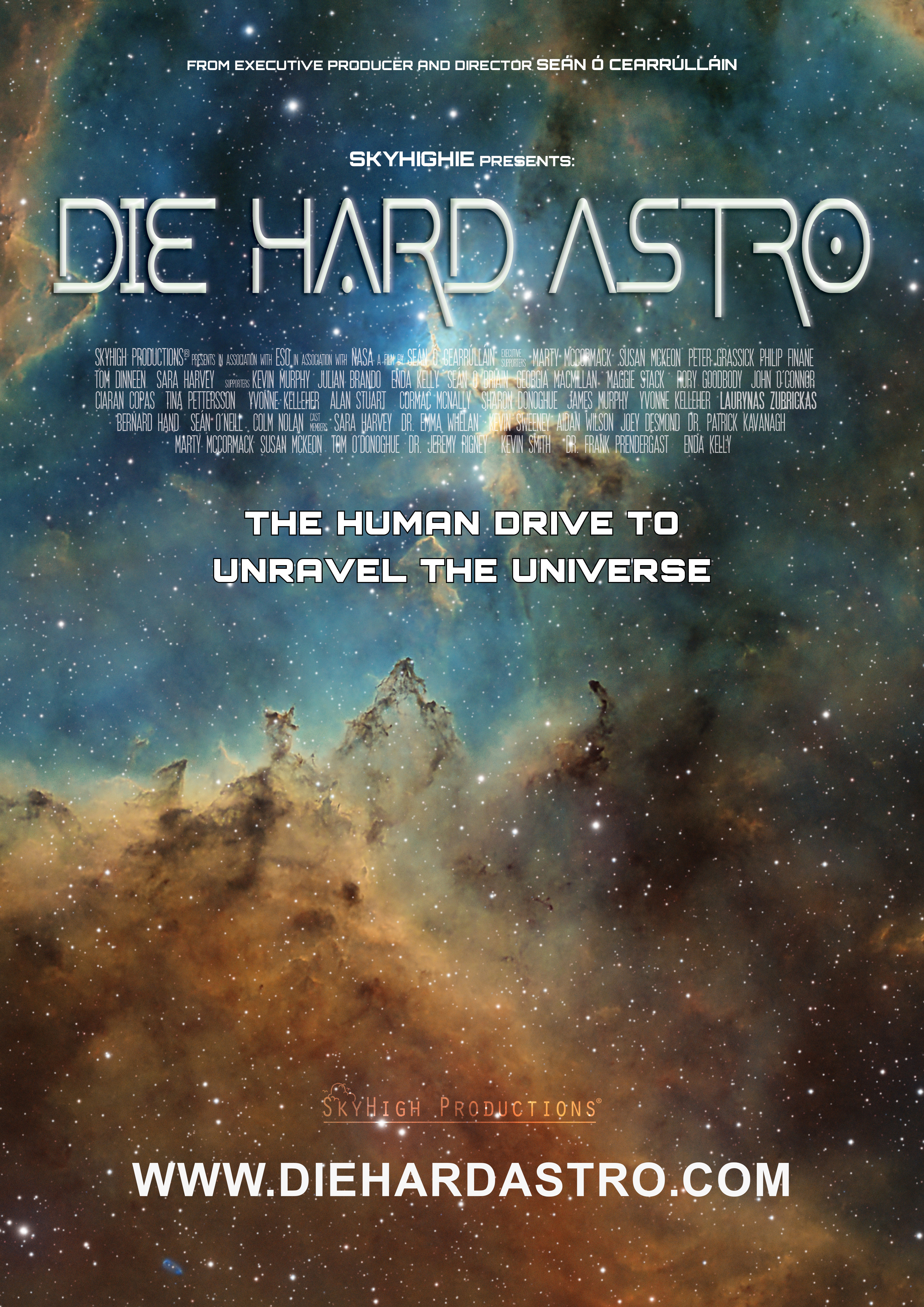
Book Your Tickets to Watch "Die Hard Astro" and find out more about Tom's passion for astronomy in Ireland and abroad.
More Cast Bios










BOOK YOUR TICKET